

Chapter I
When calmness appears
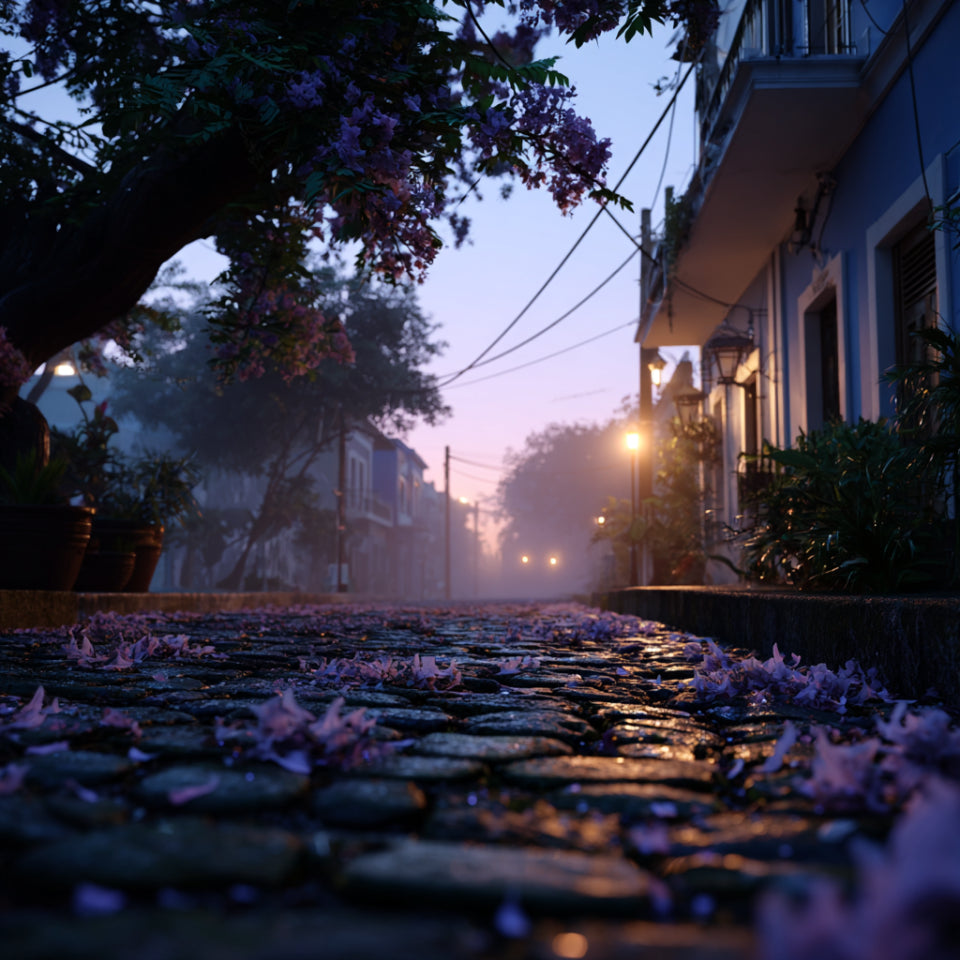
In the village, they say Aurora doesn't arrive with the rooster's crow or the town clock. She appears when the silence becomes too heavy and the morning still hesitates to be born. Some have seen her under the blossoming flamboyant tree; others, in the river mist. No one can describe her the same way, but everyone agrees on one thing: when Aurora passes, the air changes.
Some breathe deeper, others suddenly remember a happy moment. The elders call her the calm with steps; the children assure that she is the sign that something good is about to happen.
Chapter II
The one who tried to follow her
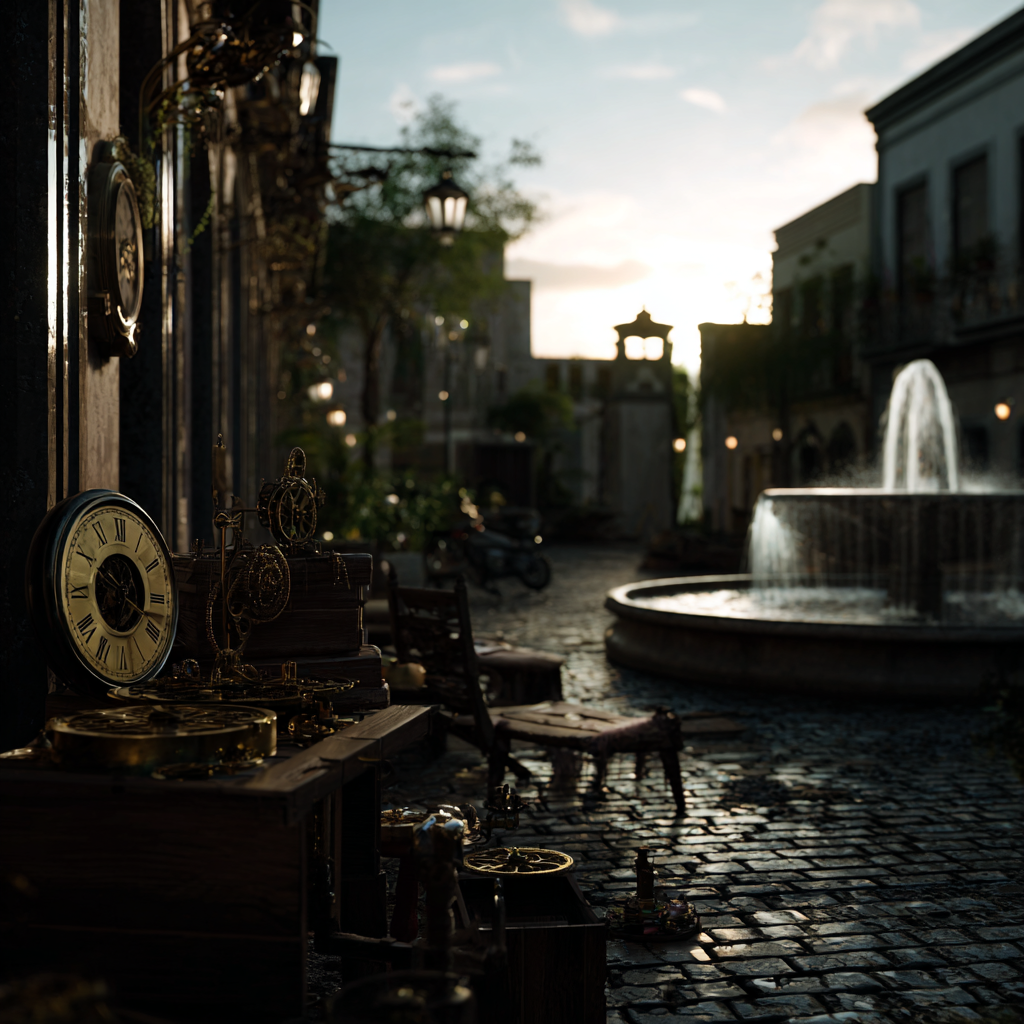
Don Julian, the clockmaker, decided to pursue her. He left the clocks open on his workbench and went after her. He saw her cross the square lightly, as if she barely touched the ground.
But the streets stretched out and the sun seemed to stand still. The fountain's water rose instead of falling. A voice from a balcony stopped him:
—Leave her be, Aurora cannot be caught; she is allowed to pass.
That night he returned to his workshop bewildered. The clocks were still keeping perfect time. From then on he never pursued her again; when Aurora passed by, he would smile without knowing why.
Chapter III
The town
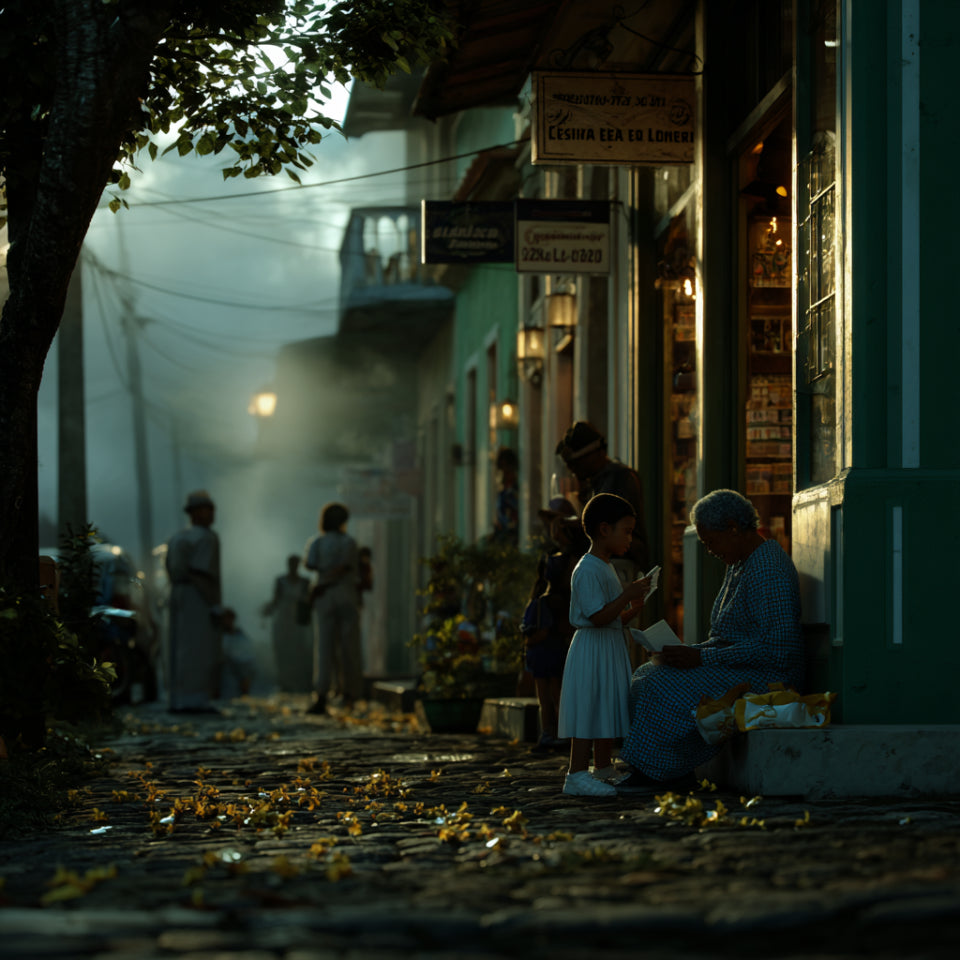
One day Aurora did not appear. The rooster crowed, the mist dissipated, the flamboyant trees carpeted the streets... but everyone felt an emptiness.
People looked at each other uneasily. "What if she doesn't come back?" they thought. Then something new happened: Mrs. Carmen, always in a bad mood, greeted them with a smile. The postman hummed a bolero. The children laughed softly, as if trying out a new language.
Aurora's memory had stayed with them. Without seeing her, they began to imitate the calm she left behind. They discovered that Aurora could also inhabit every simple gesture: in a deep breath, in a kind greeting, in a shared pause.
Chapter IV
What remains
Over time, they stopped waiting for her as they once did. For some, Aurora was a memory; for others, a relief in the body. Some said she was a promise, others that she was simply calm. No one agreed, and perhaps that was the secret.
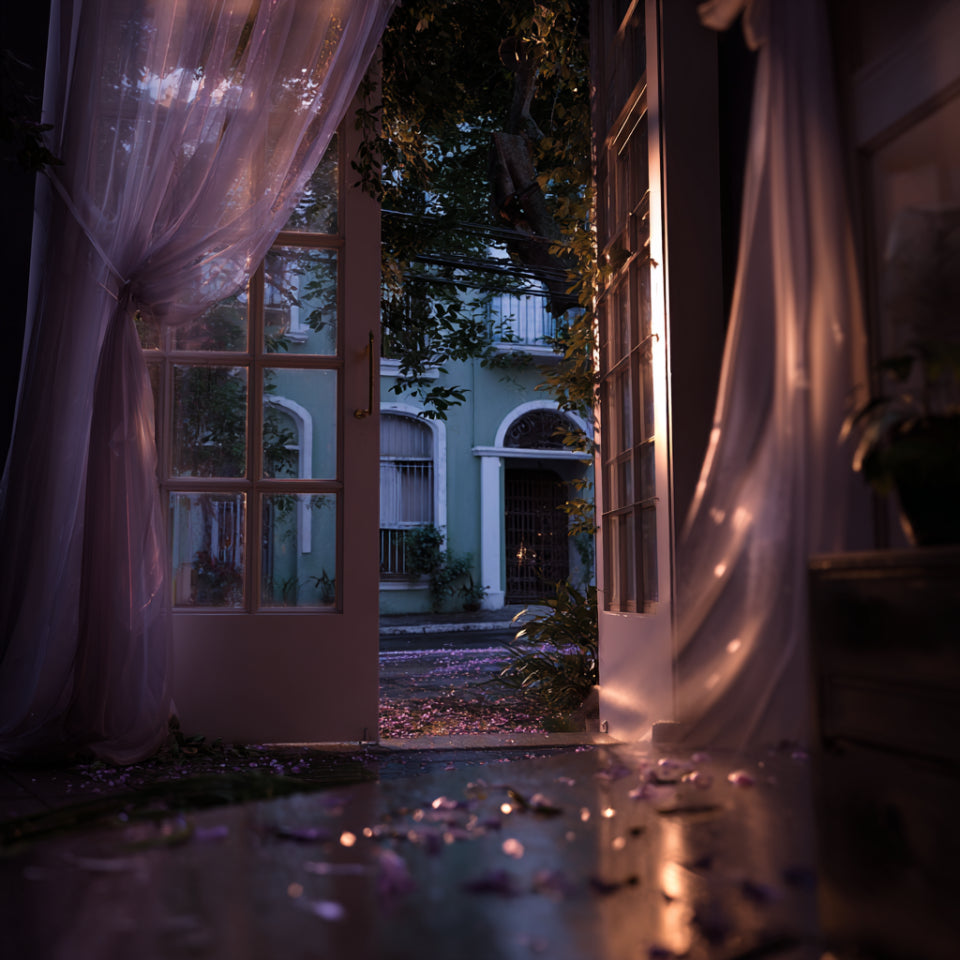
While they debated what she was, everyone knew they had felt her. Thus, the story remained: open like the window that lets in the breeze without revealing where it comes from.
What is Aurora?
An instant, an echo, a reflection of what already dwells within you?
The answer, like her, is not spoken: it is lived.
TAKE IT WITH YOU TODAY